Low emissivity window film is a thin, clear or lightly tinted layer applied to glass that reflects heat and UV rays while still letting natural light pass through. It helps keep indoor spaces cooler, protects interiors, and improves energy efficiency without changing how windows look.
This guide explains how it works, how low e window tint and low e tint differ from regular glass, and how to decide if it is right for your home or office. The information is based on real installation experience, building science basics, and what property owners commonly ask before making a decision.
Understanding How Modern Window Films Improve Comfort and Efficiency
Windows play a big role in how a space feels every day. Sunlight enters through glass and brings warmth with it. This warmth can feel pleasant in the morning but uncomfortable later in the day. Many people notice hot spots near windows, especially in rooms that face the sun.
Modern window films are designed to manage this heat before it becomes a problem. Instead of blocking light, they work at the surface level of the glass. This allows rooms to stay bright while reducing the extra heat that causes discomfort.
Over time, this small change can make a noticeable difference. Rooms feel more balanced, and people rely less on fans or constant cooling. Comfort improves without major renovations.
What Low Emissivity Window Film Is and Why It Matters
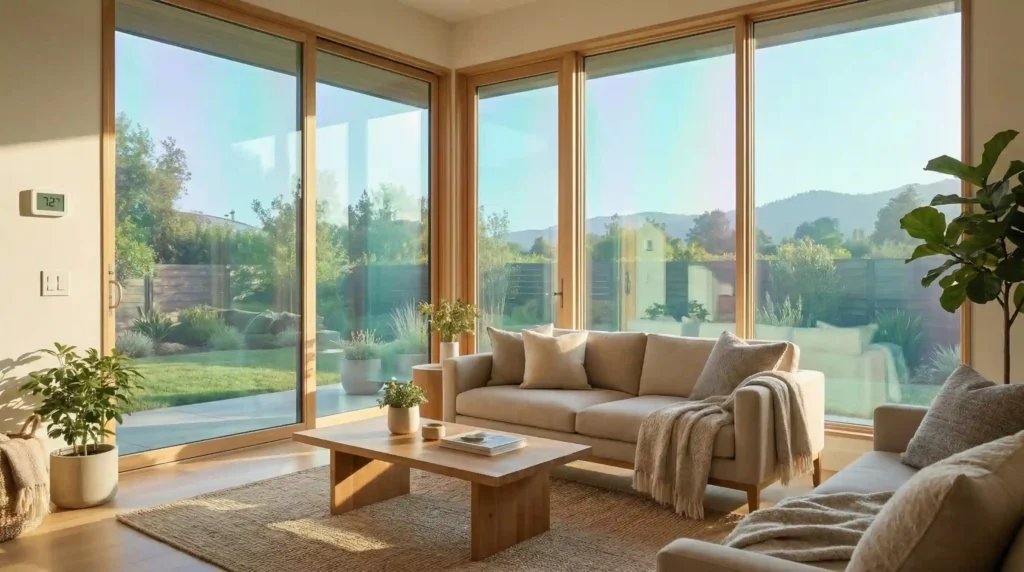
Low emissivity window film uses advanced coatings that reflect heat energy. These coatings are very thin and carefully layered so the film stays clear. The goal is simple, reduce heat transfer through glass.
This matters because windows are one of the weakest points in a building when it comes to energy control. Walls and roofs often have insulation, but glass does not. Film adds a layer of protection that glass alone cannot provide.
People choose this option because it improves performance without changing window frames or views. It offers a practical upgrade that fits many homes and buildings.
How Low E Window Tint Controls Heat Without Blocking Natural Light
Low e window tint focuses on selective filtering. It targets heat waves while allowing visible light to pass through. This keeps rooms bright and welcoming.
Older tints often darkened glass to reduce heat. This caused rooms to feel closed off. Modern low e tint avoids that issue by working at a different level of the light spectrum.
The result is a space that feels cooler but still looks natural. Many people say the light feels softer and more comfortable after installation.
The Science Behind Low E Tint and Reflective Coatings
Sunlight includes visible light, infrared heat, and UV rays. Regular glass allows most of this energy inside. Low e tint changes how glass interacts with these waves.
Reflective coatings bounce infrared heat back toward the source. This reduces heat buildup inside rooms. At the same time, UV blocking layers protect interiors.
This science comes from years of research in energy efficient building materials. Film applies these principles in a flexible and cost effective way.
Low Emissivity Window Film vs Tinted Glass
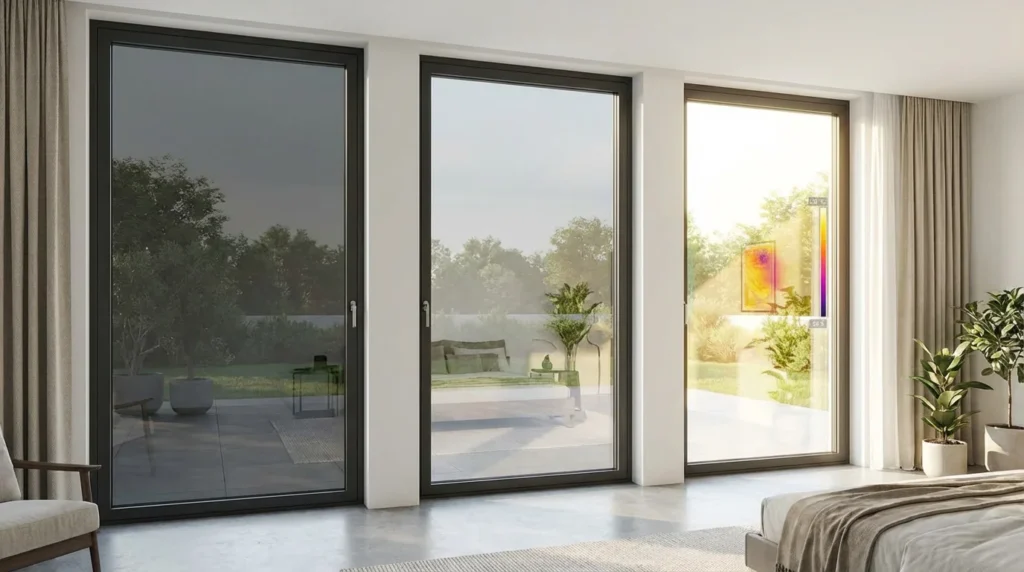
When comparing low emissivity window film and tinted glass, it helps to look at them by type and purpose. Each option affects light, heat, and comfort in different ways.
Standard Tinted Glass
Standard tinted glass is manufactured with color added directly into the glass. This color reduces the amount of light that passes through the window. It can help lower glare, but it also makes rooms darker.
Because the tint is part of the glass, it cannot be adjusted later. If the space feels too dark or uncomfortable, the only option is full window replacement. This makes tinted glass less flexible for changing needs.
Reflective Tinted Glass
Reflective tinted glass includes a metallic look that reflects sunlight. It can reduce heat and glare, but it often creates a mirror like appearance from the outside.
This type of glass changes the look of a building. Some homeowners like the appearance, while others find it too noticeable. It also limits visibility at certain times of the day.
Low Emissivity Window Film
Low emissivity window film is applied to existing glass. It focuses on reflecting heat instead of darkening the window. The glass remains clear or lightly tinted, depending on the film choice.
This type of film allows natural light to enter while reducing heat buildup. It improves comfort without changing the view or making rooms feel closed in.
Flexibility and Performance Comparison
Tinted glass is fixed once installed. Window film can be selected based on room direction, sunlight exposure, and comfort goals.
Film also allows updates in the future without replacing windows. This makes it a more practical and adaptable solution for many homes and offices.
Energy Saving Benefits Homeowners Actually Notice
Energy savings are not always about numbers on a bill. Most people notice comfort changes first. Rooms exposed to strong sunlight feel cooler and more balanced throughout the day.
Because less heat enters through the windows, cooling systems do not need to work as hard. This reduces frequent on and off cycling, which can improve system efficiency over time.
Many homeowners also notice that temperature differences between rooms feel smaller. Spaces near windows feel more usable instead of being avoided during hot parts of the day.
Protecting Interiors From UV Damage and Fading
Sunlight may look harmless, but UV rays cause long term damage. Floors slowly fade, fabrics lose strength, and wall colors become uneven over time.
Low e tint blocks a large percentage of these UV rays. This protection works every day without changing how the window looks. Furniture, rugs, and artwork stay protected even when sunlight fills the room.
This benefit is often overlooked until damage appears. Film helps prevent that damage before it becomes visible or costly to fix.
Common Myths About Low E Window Tint Explained Simply
Myth 1: Window tint always makes rooms dark
Modern low e window tint is designed to manage heat, not block light. Most options stay clear and keep rooms bright and comfortable.
Myth 2: Low e tint changes how windows look from outside
Many films are nearly invisible once installed. They do not create a mirror effect or change the natural appearance of the glass.
Myth 3: Window film causes glass to crack
When film is matched correctly to the glass type and installed by professionals, it is safe and widely used in homes and offices.
Myth 4: Low e tint only works in very hot climates
Heat control improves comfort in many environments. Managing sunlight helps reduce hot spots and glare in all seasons.
Myth 5: Window film is only a cosmetic upgrade
Low e tint provides real performance benefits like heat reduction, UV protection, and improved indoor comfort, not just appearance changes..
Is Low Emissivity Window Film Right for Your Home or Office
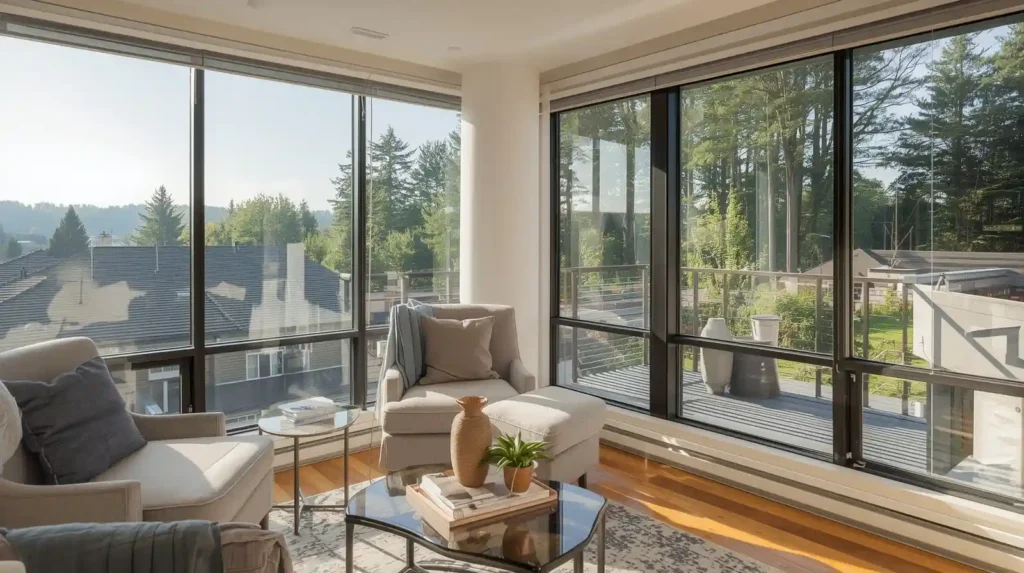
This solution works best in spaces with direct sunlight, glare issues, or uneven temperatures. Large windows and open layouts often benefit the most.
Homes benefit from improved comfort and interior protection. Offices benefit from reduced glare on screens and more consistent temperatures for employees.
The right choice depends on goals, not just glass size. A proper evaluation helps determine if film is the right fit.
Professional Installation vs DIY Low E Window Film
DIY film kits can seem simple, but results depend on precision. Dust, moisture, or uneven edges can reduce performance and appearance.
Professional installers understand how different glass types react to film. They prepare surfaces correctly and apply film evenly to avoid bubbles or peeling.
Proper installation ensures the film performs as expected and lasts for years instead of months.
Low Emissivity Window Film Solutions for Homes in Nashville
Sun exposure and building styles influence results. Proper assessment helps match film to conditions.
Local experience matters because climate and building codes vary. Choosing the right solution improves long term satisfaction.
A trusted provider brings both technical skill and real world insight to each project.
Choosing the right window film improves comfort, protects interiors, and supports better energy use. It offers a practical upgrade that fits modern living without changing how a space looks or feels.
If you want guidance that comes from real experience and proven results, reach out to Tint Solutions Tennessee. Their team can help you understand your options and choose a window film solution that fits your goals and your space.